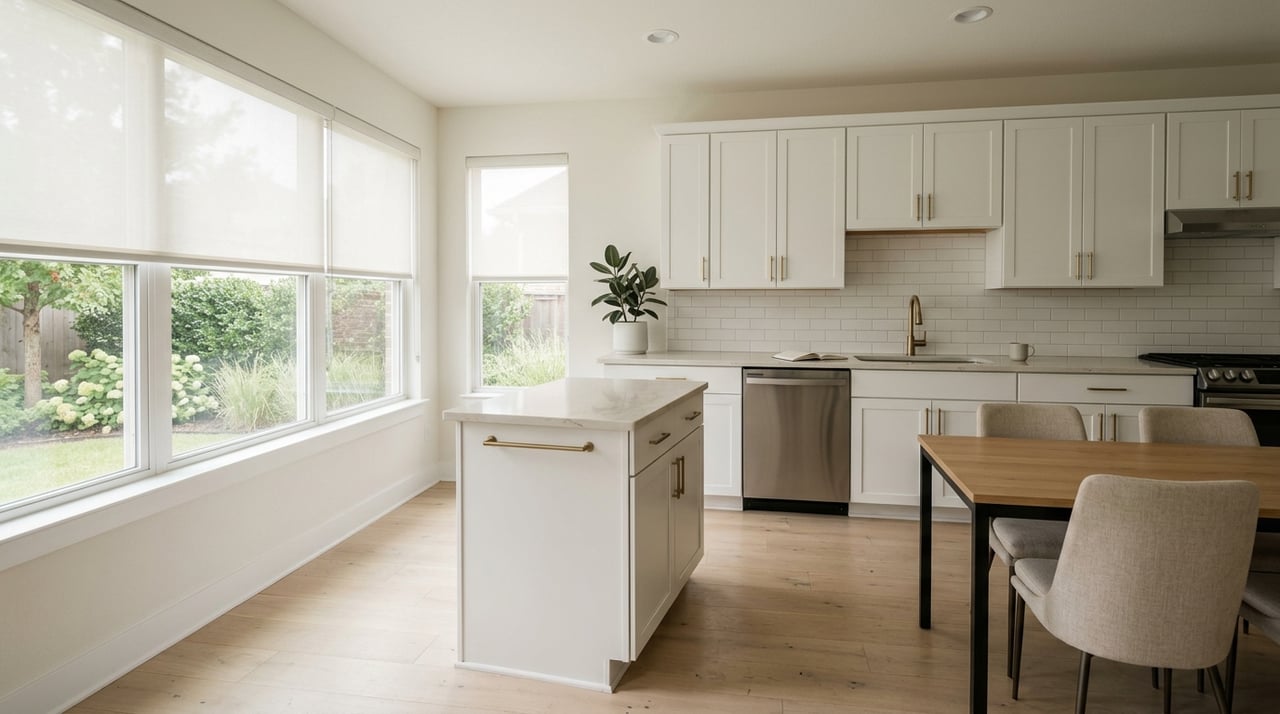
If you are thinking about owning a single-family rental in Murfreesboro, you are looking at a market where the details matter. Strong population growth, a large renter base, and steady local demand can create opportunity, but success usually comes from smart buying, careful pricing, and consistent management. This guide will walk you through what to watch, what the numbers suggest, and how to think about operating a rental home in Murfreesboro with fewer surprises. Let’s dive in.
Why Murfreesboro Draws Rental Demand
Murfreesboro continues to grow, and that matters for rental owners. The city’s 2024 population estimate reached 168,387, while Rutherford County grew to 376,996. That kind of growth tends to support ongoing housing demand, especially when new residents are arriving for work, school, or lifestyle reasons.
The local economy also adds depth to the market. Murfreesboro identifies automotive, local government, healthcare, higher education, and retail as major industries. That mix can help support a broad renter pool rather than demand tied to just one employer or one sector.
Another key factor is renter share. Murfreesboro’s owner-occupied housing rate was 52.4%, and the city’s draft fair-housing analysis reported that renters made up 46.7% of the Murfreesboro metro area in 2023. For you as an owner, that signals a meaningful base of people who rent rather than own.
Middle Tennessee State University also plays a major role in local housing demand. MTSU reported 20,812 students in fall 2025, and the university remains one of the area’s most visible institutions. Even if your property is not aimed at student renters, the university still supports the broader local economy and housing market.
What Rent Levels Look Like
One of the biggest questions for any rental owner is simple: what can you realistically charge? In Murfreesboro, the answer depends on the source, the property type, and the home’s condition. That is why it helps to look at rent as a range instead of locking onto one number.
Census QuickFacts reports a median gross rent of $1,481 for 2020 through 2024. Murfreesboro’s 2025 draft fair-housing analysis cites an area median rent estimate of $1,376 from 2023 ACS data. Those figures are useful broad benchmarks, but they do not specifically represent updated single-family homes.
Recent platform data points to higher pricing for houses. Zillow showed average rent around $1,699 in spring 2026, Zumper reported average Murfreesboro house rent at $2,172 in June 2026, and Rentometer’s June 2026 benchmark showed about $2,079 for a 3-bedroom home and $2,456 for 4+ bedrooms. For many single-family rentals, especially larger or updated homes, the low-to-mid $2,000s appears to be the practical range.
That does not mean every house should be priced at the top of the range. Condition, layout, parking, location within the city, and finish level all affect where your home fits. A well-priced home often performs better than an overreaching one that sits vacant.
Why Single-Family Rentals Stand Out
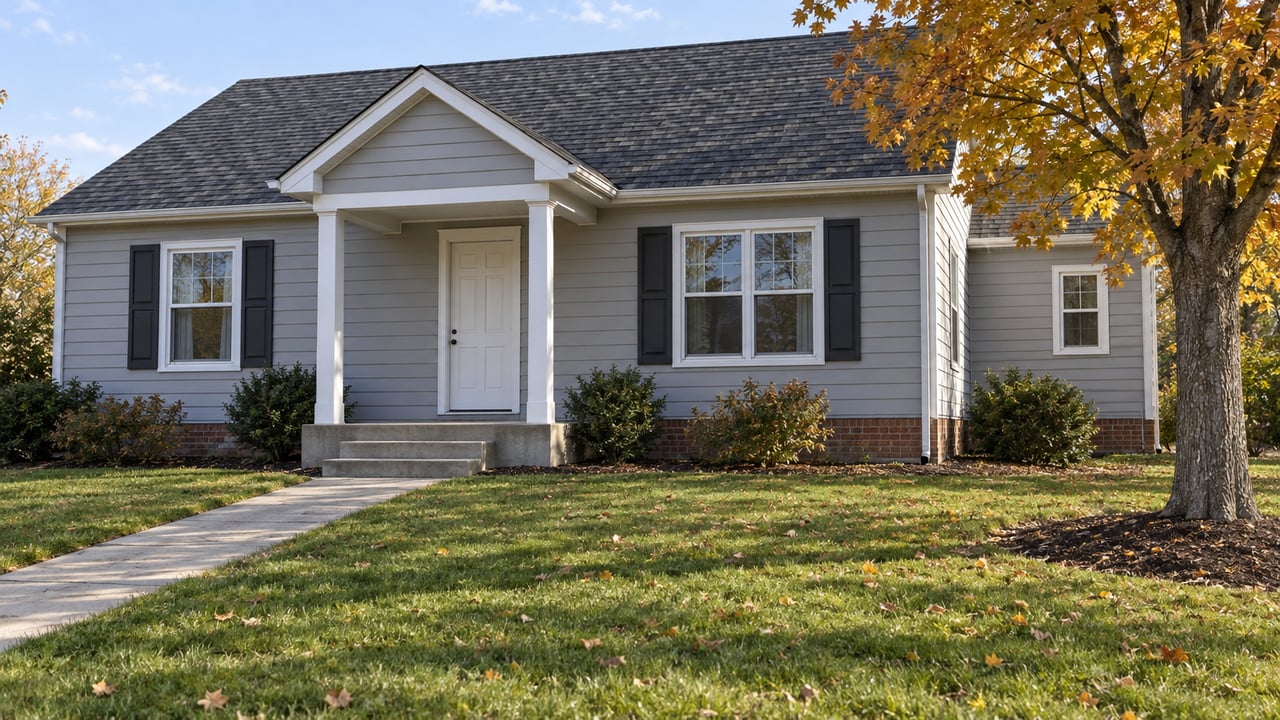
In Murfreesboro, single-family rentals can appeal to several renter groups at once. Population growth, commuting patterns, and the local employment base all support demand for homes that offer more space and function than many apartment options. That makes the product itself important, not just the zip code.
In practical terms, 3- and 4-bedroom homes often line up well with local demand patterns. Homes with functional layouts, solid parking, durable finishes, and everyday convenience tend to fit what many renters need. The goal is usually not to chase a trend, but to offer a home that is easy to live in and easy to maintain.
This is one reason execution matters so much. In a market like Murfreesboro, the difference between a strong rental and an average one often comes down to property selection, make-ready decisions, and management quality. The market may provide demand, but the owner still has to run the asset well.
What Buyers Should Know Before Acquiring
Buying a rental in Murfreesboro is not just about finding a house you like. It is about matching purchase price, rent potential, and operating costs in a way that makes sense. A property can look attractive on paper until repairs, vacancy, and turnover costs are added back in.
Zillow estimated Murfreesboro’s average home value at about $427,410 and noted that homes go pending in around 23 days, with a median sale price near $400,967. That suggests a fairly competitive acquisition environment. If you are trying to build a portfolio, speed and discipline both matter.
Before you buy, focus on a few basic underwriting questions:
- What is the realistic rent range for this specific home?
- How much will make-ready work cost before lease-up?
- What vacancy and maintenance reserves should you plan for?
- Will the layout and finish level support steady demand?
- How will the property perform if rents soften or costs rise?
These questions can help keep you grounded. In a competitive market, it is easy to assume future appreciation will solve a weak deal. A better approach is to make sure the property works based on current numbers and sound operations.
How to Price a Murfreesboro Rental
Pricing is one of the most important decisions you will make. Set the rent too high, and you may lose time on market, which can cost more than a modest price adjustment. Set it too low, and you leave income behind that may be hard to recover later.
Start by comparing your home to similar local rentals, especially by bedroom count and condition. A 3-bedroom home may align more closely with the Rentometer benchmark near $2,079, while larger homes may push toward the $2,456 range for 4+ bedrooms. Updated finishes, clean presentation, and usable outdoor space can also affect the final number.
It also helps to remember that citywide median rent data is broader than the single-family category. The overall median offers context, but houses often command more than the general market benchmark. That is why local comps and current leasing activity are often more useful than one headline statistic.
Managing Costs and Cash Flow
Revenue gets attention, but expenses determine staying power. Even in a strong demand market, single-family rentals need room in the budget for repairs, turnover, and ongoing upkeep. If you ignore those items, the property may look better in theory than it performs in real life.
Murfreesboro’s median gross rent is roughly 22% of the city’s median household income using Census figures. That is only a rough affordability signal, but it helps explain why well-priced rentals can still find demand. For owners, it is a reminder that pricing should reflect both market conditions and tenant budgets.
Your operating plan should usually account for:
- Routine maintenance
- Leasing and turnover costs
- Vacancy periods between tenants
- Reserve funding for larger repairs
- Accounting and administrative support
A stable rental is often built through consistency, not shortcuts. Durable materials, responsive maintenance, and accurate accounting may not feel flashy, but they can protect your cash flow over time.
Key Tennessee Rules to Understand
Owning a rental home also means understanding the legal side of management. In Tennessee, local governments are prohibited from enacting or enforcing rent control, so Murfreesboro rents are market-driven rather than capped by city ordinance. That gives owners pricing flexibility, but it also increases the importance of market-based decisions.
For periodic tenancies, Tennessee allows week-to-week termination with at least 10 days’ written notice and month-to-month termination with at least 30 days’ written notice. Those timelines matter if your lease structure changes or a tenancy continues beyond a fixed term. Clear documentation is important at every stage.
Security deposits have specific rules as well. Tennessee requires deposits to be held in a dedicated account, and tenants have inspection rights tied to damage charges. If you manage deposits casually, you can create avoidable problems later.
If a dispute escalates, Tennessee’s General Sessions courts are the standard civil venue for landlord-tenant matters, and the state courts system provides approved civil forms for those cases. While many issues can be resolved earlier through clear communication and documentation, it helps to know the standard venue if a formal step becomes necessary.
Local Compliance in Murfreesboro
Beyond state rules, local property standards matter. Murfreesboro’s Building & Codes department handles inspections for new and renovated structures as well as property-maintenance standards. The city’s Permit Center handles residential permit applications.
If you are renovating a home before lease-up, this becomes especially important. Work that seems minor can still trigger permit or inspection requirements depending on scope. Checking the process upfront can help you avoid delays, rework, or compliance issues later.
The city also notes that development impact fees were adopted to help pay for infrastructure tied to growth. That may be more relevant for certain projects than for a simple buy-and-hold rental, but it reflects the broader reality that Murfreesboro is planning around continued expansion.
Fair housing compliance should remain part of every rental process. Murfreesboro’s fair-housing page states that complaints may be filed with the city, the Tennessee Human Rights Commission, or HUD, and it summarizes protected classes under the federal Fair Housing Act. For owners, the practical takeaway is to keep marketing, screening, and communication consistent and compliant.
Why Integrated Management Can Help
A rental property has multiple phases: acquisition, make-ready, leasing, maintenance, accounting, and eventually resale. When those pieces are handled by different providers, handoffs can create delays and mixed communication. That is one reason many investors prefer a more integrated approach.
The Scott Zeller Team’s public presence shows a model that includes sales, rentals, property management, transaction coordination, accounting, and work-order support. For you, that kind of structure can simplify the ownership experience, especially if you want to grow from one home to several. Instead of rebuilding your process at every stage, you can keep the same local team involved.
That matters in a market like Murfreesboro, where performance often comes down to execution. Buying the right home, setting the right rent, staying compliant, and handling operations well can shape your results more than market momentum alone. A team with both sales and management capacity can help connect those decisions.
A Practical Outlook for Murfreesboro Owners
Murfreesboro offers many of the ingredients rental owners look for: population growth, a sizable renter base, a diverse local economy, and demand drivers that extend beyond one type of tenant. At the same time, it is not a market where you can rely on broad trends alone. You still need disciplined buying, realistic pricing, and steady management.
If you are considering your first single-family rental or planning to scale a small portfolio, the best next step is usually local, property-specific analysis. A good decision starts with understanding what a particular home can rent for, what it will cost to operate, and how you want to manage it over time. When those pieces line up, Murfreesboro can be a very workable market for long-term rental ownership.
If you want local guidance on buying, leasing, or managing a single-family rental in Murfreesboro, The Scott Zeller Team can help you evaluate your options with a practical, full-service approach.
FAQs
What rent can a single-family rental earn in Murfreesboro?
- Broad benchmarks vary, but recent data suggests many single-family rentals, especially 3- and 4-bedroom homes, often lease in the low-to-mid $2,000s depending on size, condition, and updates.
Is Murfreesboro a strong market for rental property owners?
- Murfreesboro shows several supportive signs for rental demand, including population growth, a significant renter share, a diverse job base, and the presence of Middle Tennessee State University.
What types of homes tend to work best as Murfreesboro rentals?
- In many cases, 3- and 4-bedroom homes with practical layouts, good parking, and durable finishes align well with local single-family rental demand.
Does Murfreesboro have rent control for rental homes?
- No. Tennessee prohibits local governments from enacting or enforcing rent control, so rental pricing in Murfreesboro is market-driven.
What are Tennessee notice rules for periodic rental agreements?
- Tennessee allows week-to-week termination with at least 10 days’ written notice and month-to-month termination with at least 30 days’ written notice.
What should Murfreesboro landlords know about security deposits?
- Tennessee requires security deposits to be held in a dedicated account, and tenants have inspection rights related to damage charges.
Where are landlord-tenant disputes usually handled in Tennessee?
- If a dispute escalates formally, Tennessee General Sessions courts are the standard civil venue for landlord-tenant matters.
Why use a sales and property management team in Murfreesboro?
- An integrated team can help reduce friction between acquisition, leasing, maintenance, accounting, and eventual resale, which can be especially useful if you plan to grow a rental portfolio.