Wondering if you can enjoy more space in Murfreesboro without making your Nashville workweek miserable? You are not alone. For many buyers, the real question is not just distance, but whether the day-to-day commute feels workable enough to support the lifestyle they want at home. This guide breaks down what living in Murfreesboro with a Nashville commute really looks like, what backup options you have, and how to think about housing choices that fit your schedule. Let’s dive in.
What the Murfreesboro-to-Nashville commute is really like
If you are considering Murfreesboro and working in Nashville, the biggest factor is usually timing. Murfreesboro’s 2023 ACS-based local analysis shows a mean drive commute of 26.9 minutes, but that citywide number does not tell the full story for people heading toward Nashville during peak hours.
TDOT’s I-24 Southeast corridor study says this corridor carries about 150,000 to 180,000 vehicles per day. It also identifies recurring westbound morning delays and eastbound afternoon delays, especially from the SR 266 and Sam Ridley area toward downtown Nashville. In plain terms, your departure time often matters as much as your address.
That is why the commute can feel very different from one day to the next. If you leave outside the busiest windows, the drive may feel manageable. If you are on the road during the heaviest rush, the same route can take much longer.
Why I-24 timing matters most
Murfreesboro’s commuter profile is still heavily car-dependent. The city’s analysis shows 84.97% of workers commute by car, truck, or van, while just 0.34% use public transportation. That tells you a lot about how most households structure daily life here.
For a Nashville commuter, the busiest windows are typically the morning trip westbound and the evening trip eastbound. The research points to the 7 to 9 a.m. and 4 to 6 p.m. periods as the times when readers most often want clarity, and the corridor data supports the idea that these are the periods when delays are most likely.
A useful way to think about it is this: Murfreesboro is not unusually far from Nashville, but the traffic pattern on I-24 can make the drive feel much longer during peak times. If your work gives you flexibility to start earlier, leave later, or work from home part of the week, that can change the experience in a meaningful way.
What a hybrid schedule can change
If you only commute a few days each week, Murfreesboro may open up more options for you. A hybrid schedule can make the tradeoff between commute time and home space easier to accept, especially if you are comparing Murfreesboro with areas closer to downtown Nashville.
That matters because Tennessee housing affordability has been a growing concern. THDA reports that Nashville home prices have more than doubled over the past decade, and Murfreesboro has also faced affordability challenges. Even so, many buyers still look at Murfreesboro because they may be able to find a housing setup that better fits their goals than what is available closer to Nashville.
If your commute is not five days a week, you may be more comfortable choosing a home based on layout, maintenance needs, or long-term value instead of optimizing only for drive time. For many households, that is where Murfreesboro starts to make sense.
Is Route 84 realistic for downtown work?
For some commuters, yes. But it depends on how fixed your schedule is and how much travel time you are willing to trade for not driving.
WeGo Route 84 is the primary regional transit option connecting Murfreesboro and downtown Nashville. Effective July 5, 2026, the route begins serving the Murfreesboro Transit Center on New Salem Highway while continuing to serve MTSU and the Stones River Mall park-and-ride.
Based on the published timetable, the one-way ride is roughly 65 to 90 minutes depending on the departure. WeGo also says the fare is $4.25 per ride or $73.50 for 20 rides. If you work a standard downtown schedule and want to avoid the stress of driving every day, that may be a workable option.
Still, it is best to view Route 84 as a practical fit for some commuters, not all. If your job requires irregular hours, frequent late stays, or quick mid-day trips, driving may still be the easier choice.
Local transit can help with connections
Murfreesboro Transit serves as the city’s local system. It runs weekdays from 6 a.m. to 6 p.m., offers limited Saturday service, and charges a $1 adult fare. Since Sept. 8, 2025, routes originate and transfer at the Transit Center at 324 New Salem Highway.
For some households, that local service can help connect to the regional express bus. It can also reduce the need to drive to every errand or appointment within the city, depending on your routine. That said, Murfreesboro Transit is a local support system, not a full replacement for car ownership in most commuting households.
Rail is not a direct Murfreesboro option
If you are hoping for a train commute from Murfreesboro to Nashville, that is not currently the setup. The published WeGo Star rail station list includes Riverfront, Donelson, Hermitage, Mt. Juliet, Martha, Hamilton Springs, and Lebanon. Murfreesboro is not on that list.
That means your realistic commute plan will usually center on driving, using the Route 84 express bus, or combining local transit with bus service. For most buyers, rail is not part of the equation here.
What kind of home fits a commuter best?
A good commuter home is not just about location on a map. It is also about how much time and effort the home will require once you get back from work.
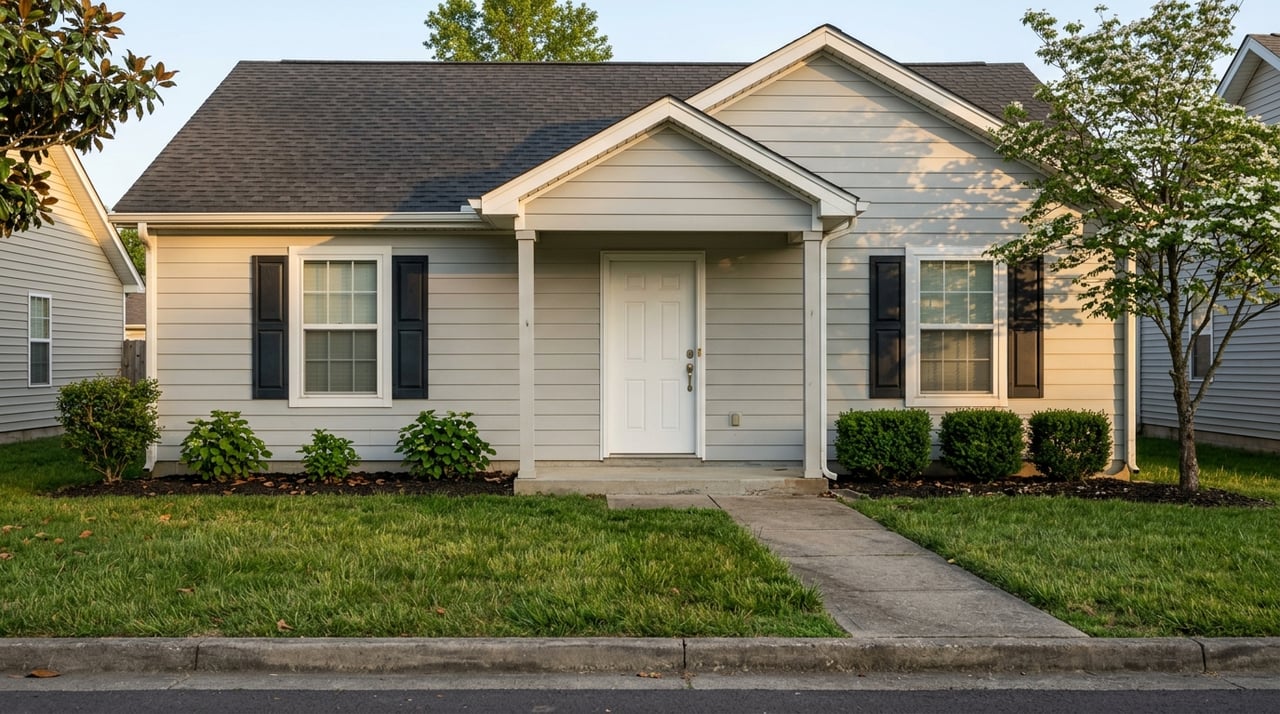
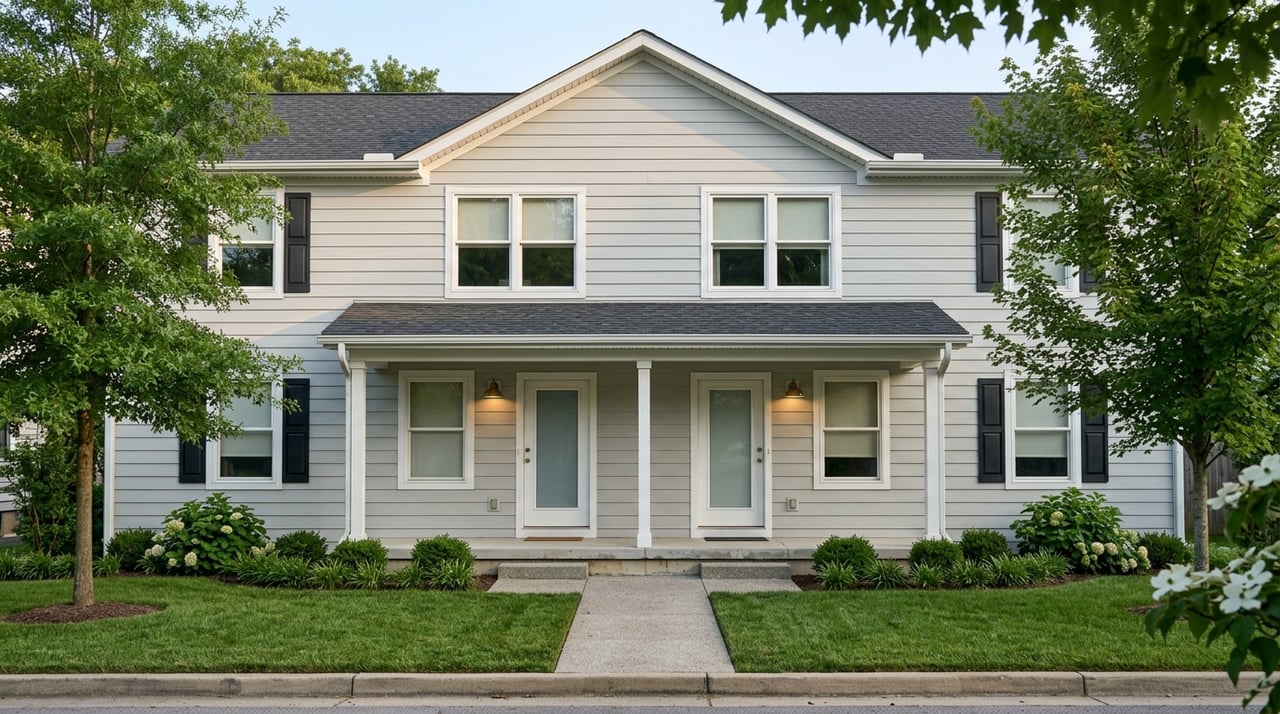
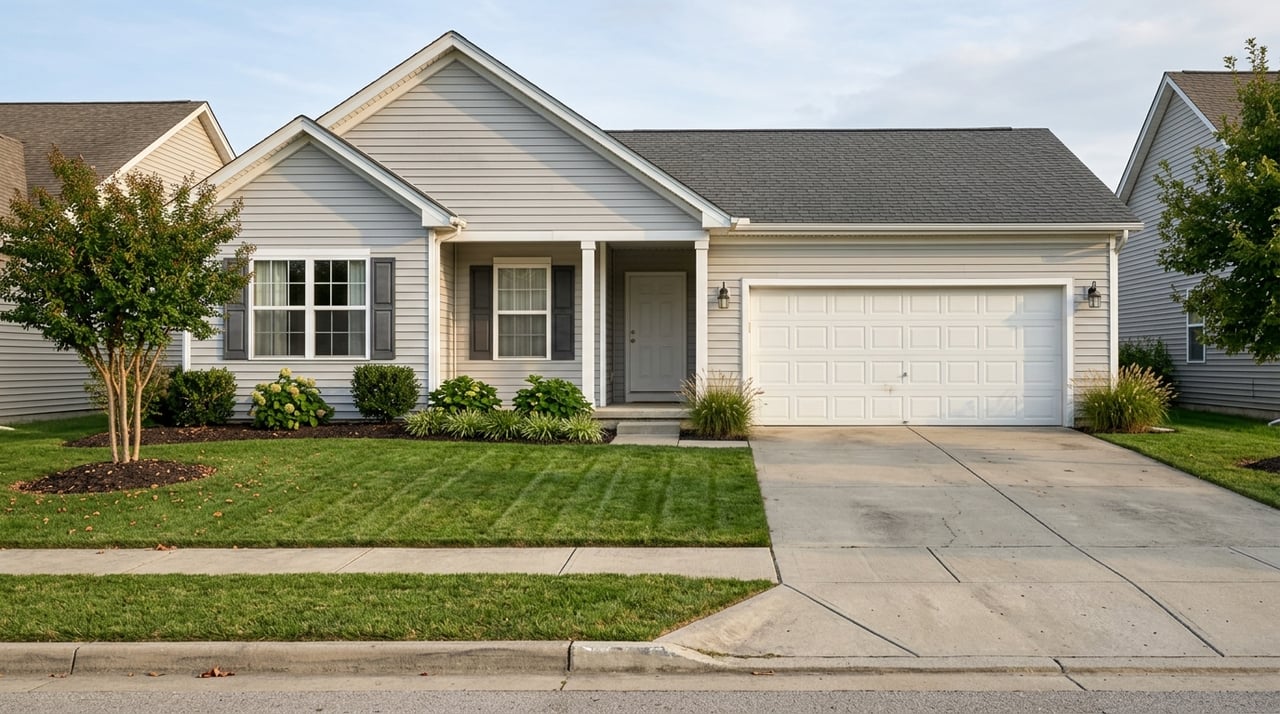
Murfreesboro offers a wide mix of housing types. The city’s zoning code supports detached single-family homes, attached and townhouse forms, duplexes, multi-family districts, and mobile home districts. The code also notes that RM-16 includes a broad range of housing types, including detached homes, attached homes, and smaller multi-unit formats up to three stories.
That variety gives you room to choose based on how you want to live, not just what is available. If you are commuting several days a week, lower-maintenance housing can be appealing. If you work from home part-time or want more interior and yard space, a detached home may still be worth the extra upkeep.
Detached homes versus attached homes
For many buyers, this is the key tradeoff.
Detached homes can offer more privacy, storage, and outdoor space. They may be a better fit if you need room for a home office, hobbies, pets, or a larger household routine. If you spend more time at home because of a hybrid schedule, that extra space may matter even more.
Attached homes, townhomes, and some multi-dwelling options can reduce exterior maintenance and simplify day-to-day ownership. The city’s townhome guidance says multi-dwelling units can include townhomes, zero-lot-line homes, and duplexes, and townhomes are defined as single-family units arranged in groups of three or more attached units.
For commuters, that lower-maintenance setup can be attractive. If you get home after a long drive, less weekend upkeep may feel like a real quality-of-life win.
Renting can also be part of the plan
Not every Nashville commuter moving to Murfreesboro is ready to buy right away. Murfreesboro’s housing report found that 53.3% of housing was owner-occupied and 46.7% renter-occupied. That suggests meaningful activity on both sides of the market.
If you are relocating, changing jobs, or testing how the commute feels in real life, leasing first may be a smart move. It can give you time to learn traffic patterns, figure out whether bus service works for you, and decide which housing type fits best before making a purchase.
That can also be helpful for investors or owners considering future flexibility. In some situations, buying a home type with rental potential may support a longer-term strategy if your work location changes later.
How many cars should your household expect?
In most cases, you should plan around a driving-first lifestyle. The city’s commuting data shows private vehicles dominate how people get to work, and public-transit use remains very low.
That does not mean every household needs the same setup. But if one person commutes to Nashville and another works locally, or if schedules do not line up with transit service, two-car planning may be the practical answer. If one commuter has a consistent downtown schedule and is comfortable using Route 84, a one-car or reduced-driving routine may be more realistic.
The better question is not just how many cars you own today. It is whether your future schedule, errands, child care logistics, and work flexibility support fewer driving demands.
Questions to ask before you choose a home
Before you narrow your search, it helps to think through the commute as part of your home decision instead of as a separate problem.
Ask yourself:
- Do you commute five days a week or only a few days?
- Are your work hours fixed, or can you shift earlier or later?
- Would you realistically use Route 84 for any part of the week?
- Do you want a detached home with more space, or a lower-maintenance attached home?
- How important is quick access to major roads in your daily routine?
- Does your household function best with one car, two cars, or a transit backup?
These questions can quickly clarify what matters most. They also help you avoid choosing a home that looks great online but does not fit the rhythm of your real life.
How to think about the tradeoff
Living in Murfreesboro with a Nashville commute is usually a tradeoff between time and space. You may accept more time on the road in exchange for a different home layout, more flexibility in housing type, or a setup that better fits your budget and long-term goals.
The right answer is personal. Some buyers decide the commute is worth it for the lifestyle they can build in Murfreesboro. Others decide they need the shortest possible drive and adjust their search around that priority.
The most important thing is to go in with a clear plan. If you understand the traffic pattern, know your backup options, and choose a home type that supports your schedule, you can make a much more confident move.
If you are weighing Murfreesboro against a Nashville commute, The Scott Zeller Team can help you compare housing options, leasing opportunities, and long-term goals so you can make the move that fits your life.
FAQs
Is commuting from Murfreesboro to Nashville bad every day?
- Not necessarily. The research suggests the bigger issue is usually peak-hour timing on I-24, especially westbound in the morning and eastbound in the evening.
Is the WeGo Route 84 bus a realistic option from Murfreesboro?
- Yes, for some commuters. Route 84 offers weekday service to downtown Nashville, and the trip is roughly 65 to 90 minutes depending on departure time.
Does Murfreesboro have a direct train to Nashville?
- No. Murfreesboro is not on the published WeGo Star rail station list, so rail is not a direct commuter option from the city.
What home types are available in Murfreesboro for commuters?
- Murfreesboro supports detached single-family homes, townhomes, duplexes, and multi-family housing, which gives commuters a range of choices based on maintenance needs and space preferences.
Should a Nashville commuter rent or buy in Murfreesboro?
- It depends on your timeline and confidence in the commute. Renting can be useful if you want to test the routine first, while buying may make sense if you are ready for a longer-term move.
How many cars do most Murfreesboro commuter households need?
- Many households plan around driving because private vehicles dominate local commuting patterns. Whether you need one or two cars depends on work schedules, transit use, and daily errands.