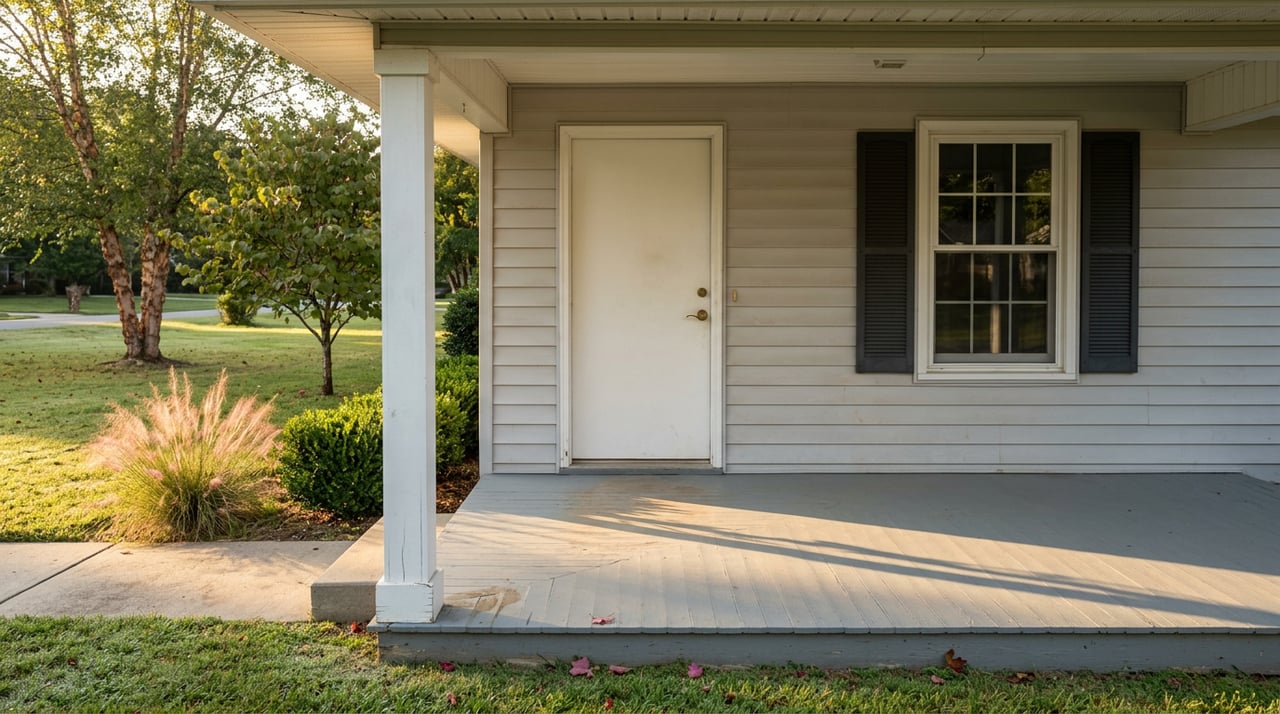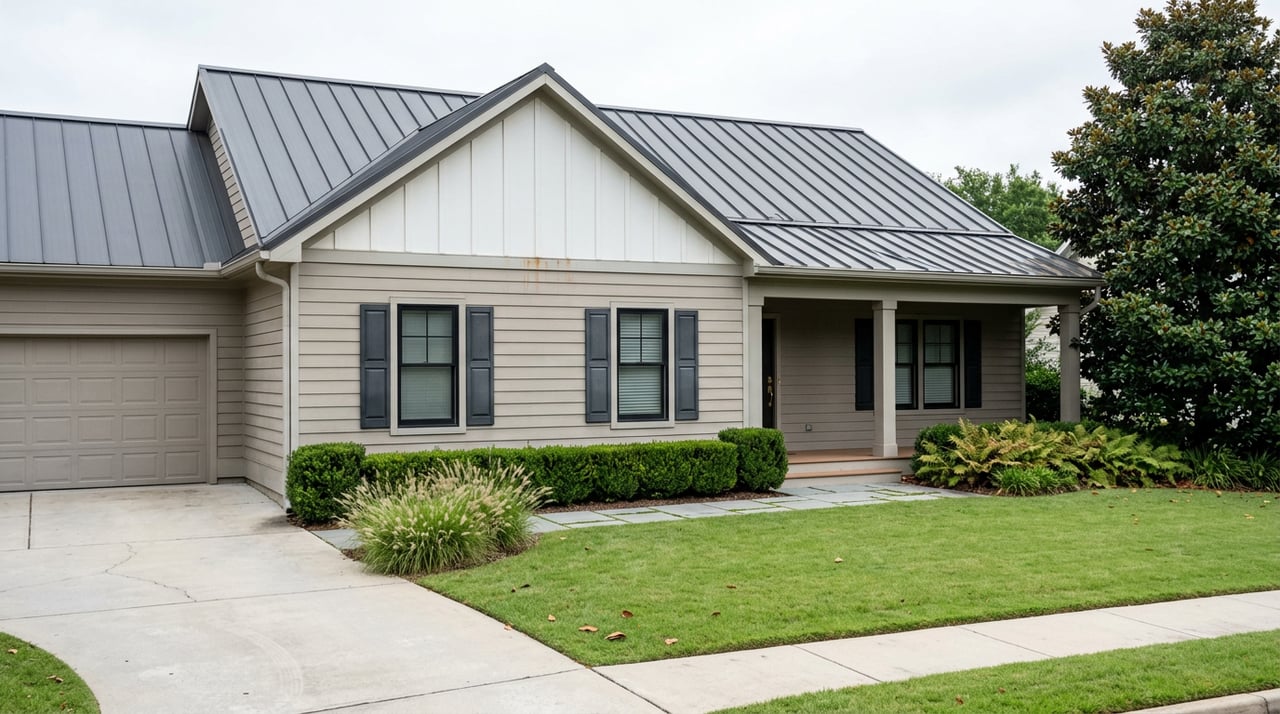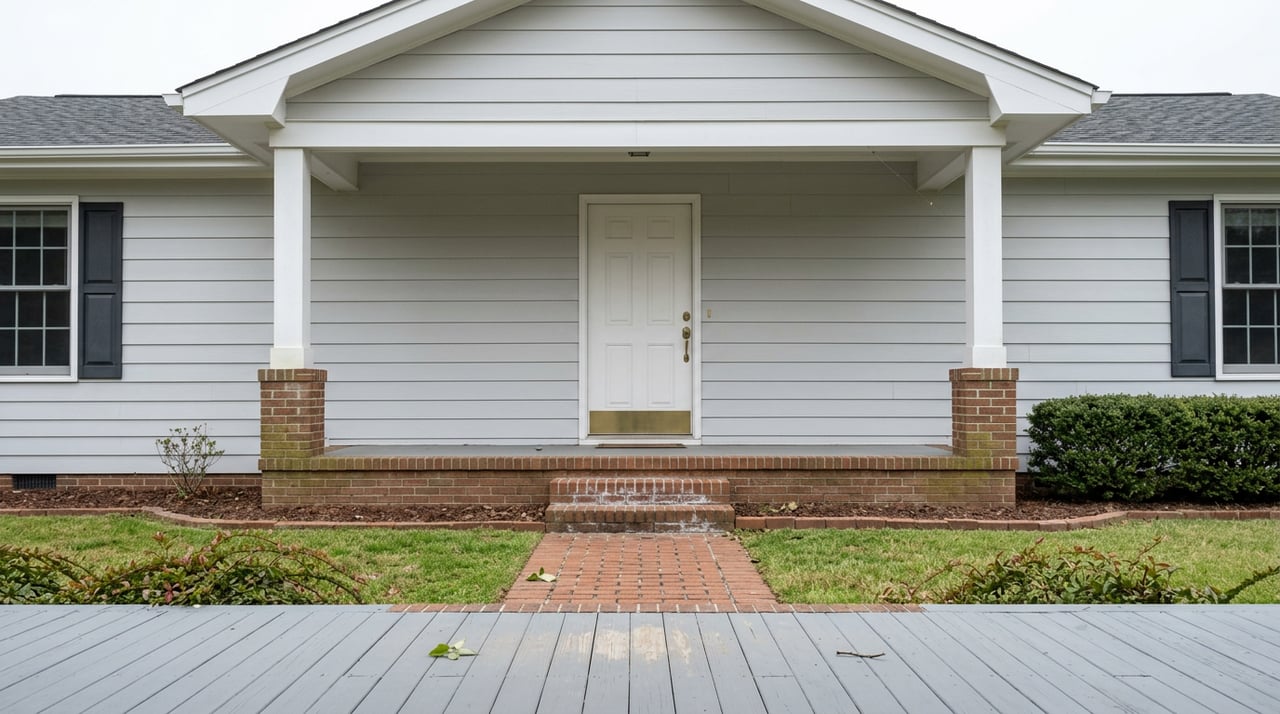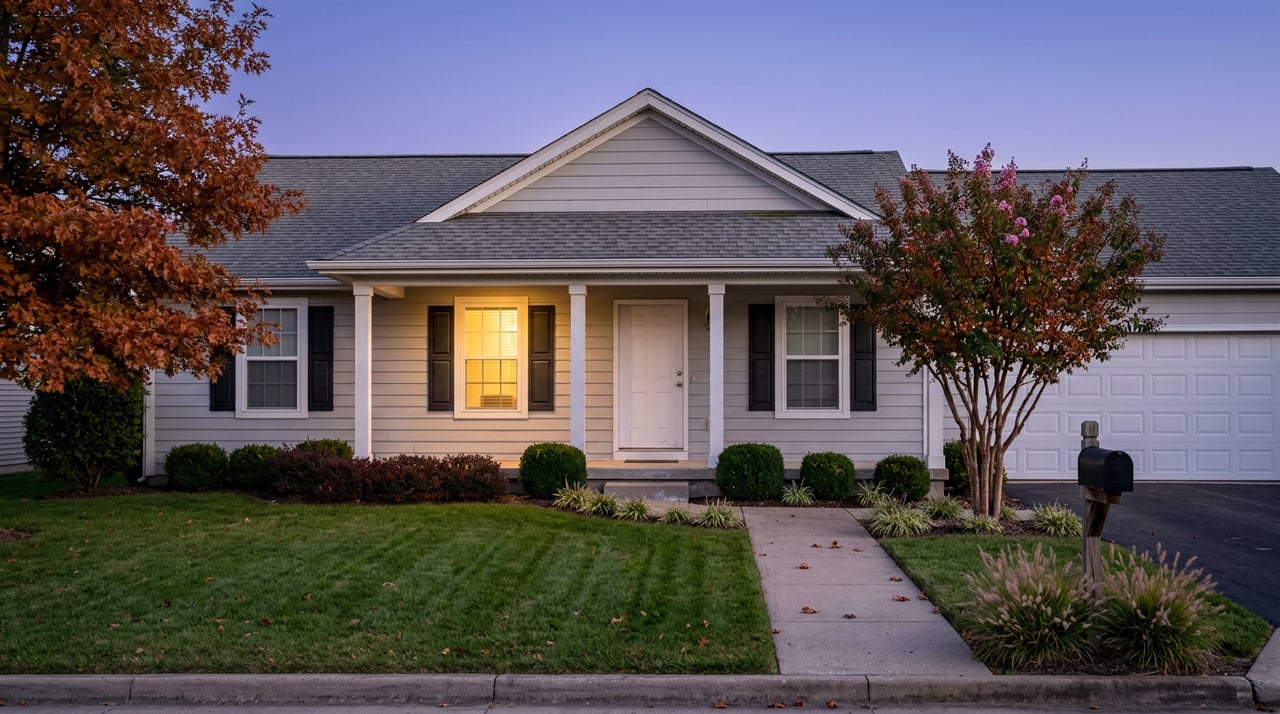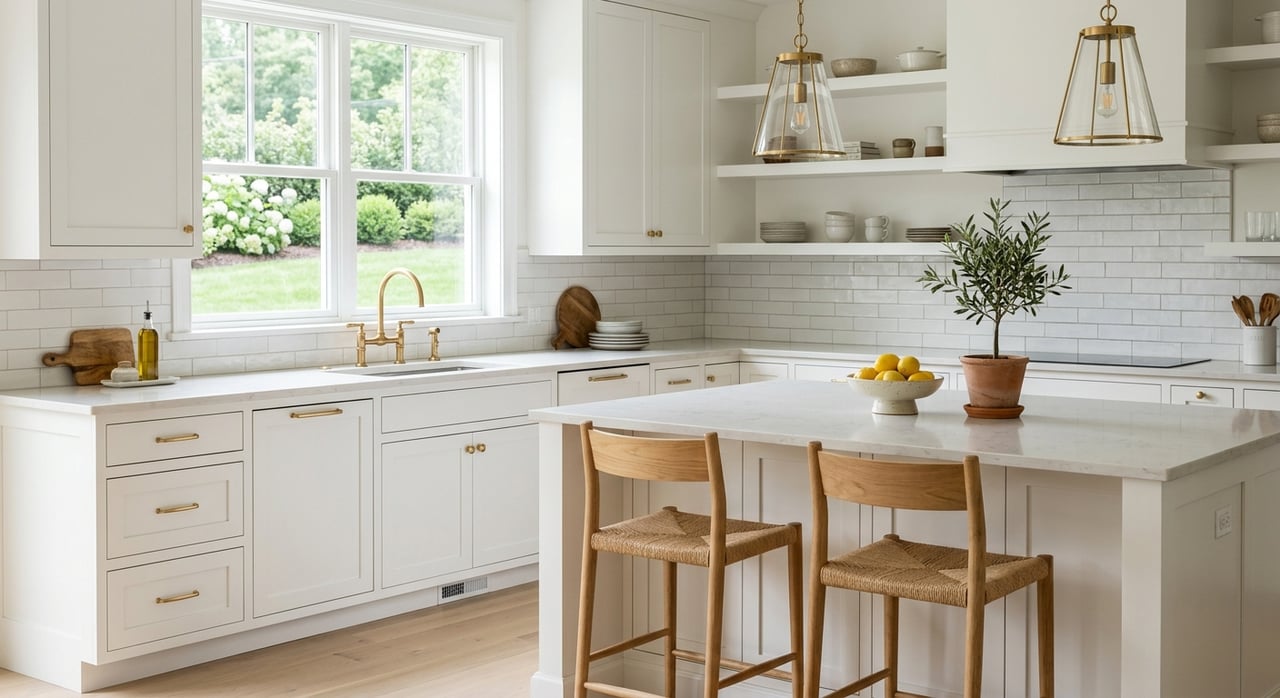
Wondering if buying a brand-new home in Mt. Juliet or Lebanon is simpler than buying resale? In some ways, it can be. You may get modern finishes, a fresh floor plan, and fewer immediate repair needs, but you also take on builder deposits, selection deadlines, inspections, permit steps, and a timeline that can shift. If you are thinking about new construction in this fast-growing part of Wilson County, understanding the process early can help you make smarter choices and avoid surprises. Let’s dive in.
Why new construction is active here
Mt. Juliet and Lebanon continue to draw attention for growth and access. The Census Bureau estimates Mount Juliet at 44,066 residents in 2024, Lebanon at 51,501, and Wilson County at 169,948. Local city information also points to commuter-friendly access, including interstates and regional transportation options that connect this area to Nashville.
That combination helps explain why new-construction communities remain active across both cities. Buyers looking for newer layouts, updated materials, and community amenities often find several options here, from entry-level and move-up homes to more design-forward builds. The key is knowing that not every builder, neighborhood, or contract works the same way.
Where buyers are seeing new homes
Active new-construction options in the area include Mt. Juliet communities from builders such as M/I Homes at Windtree, Pulte at Bradshaw Farms Reserve, Toll Brothers at Tomlinson Pointe, The Jones Company at Kelsey Glen, Patterson Company at Tillman Place, and Ole South in Middle Tennessee. In Lebanon, examples include M/I Homes at Bartons Mill, Southeastern Building Corporation at Watermill, and Burge Builders in Lebanon.
These examples show the range of choices, but they also point to an important reality. A builder’s reputation can vary by community, product type, lot, price point, and construction team. That is why it helps to look beyond the logo and evaluate the specific neighborhood and the exact home you are considering.
How to research a builder locally
In Tennessee, a contractor license is required before contracting on projects of $25,000 or more, and the state offers a license verification search. State consumer guidance also recommends checking complaint or discipline history, references, insurance, permits, and written contracts.
For you as a buyer, that means builder research should be practical and local. Ask questions that help you understand how the builder performs in that specific community, how communication is handled during the build, and how warranty items are addressed after closing.
Smart builder questions to ask
- Is the contractor properly licensed in Tennessee?
- Has the builder had complaint or discipline issues?
- What insurance coverage is in place?
- What permits are required for this home and lot?
- What is included in the written contract?
- How are change orders handled?
- Who handles warranty requests after closing?
What makes a new-construction contract different
A new-construction purchase often has more moving parts than a resale deal. If the home is not yet built, you may be asked for a builder deposit or earnest money up front. Before you sign, ask exactly when that deposit can be returned and under what circumstances.
Tennessee contractor guidance says a written contract should clearly spell out start-to-finish timing, payment terms, change orders, right to cancel, warranty information, and allowances for materials and labor. Those details matter because new construction involves choices and timing decisions that can affect both cost and schedule.
Contract details worth extra attention
- Builder deposit terms and refund conditions
- Estimated construction timeline
- Selection deadlines for finishes and upgrades
- Change order rules and pricing
- Allowances for materials or labor
- Warranty coverage and claim process
- Any cancellation terms
Financing a new build in Mt. Juliet or Lebanon
One of the biggest myths about new construction is that you must use the builder’s lender. You do not. Consumer guidance says you can shop around for a better deal, which can make a real difference in rate, fees, or loan structure.
You should also know that financing a new build may involve changing dates and updated disclosures. For a home that is not yet completed, revised disclosures may be used when settlement is expected to be more than 60 days away. In simple terms, new-construction financing is often less about one fixed closing date and more about managing deposits, credits, selections, and schedule changes as the home moves toward completion.
Financing tips to keep in mind
- Compare the builder’s lender offer with outside lenders
- Ask how lender credits or seller credits work
- Review all deadlines tied to your loan approval
- Expect the build timeline to have some flexibility
- Check your Closing Disclosure carefully when it arrives
Consumer guidance also says the Closing Disclosure must arrive at least three business days before closing. When you receive it, compare any credits and costs against what you agreed to earlier in the process.
Why inspections still matter on a brand-new home
A new home is still a home built by people, materials, schedules, and subcontractors. That is why independent inspections remain important, even when the property is brand new. Consumer guidance recommends a satisfactory inspection contingency, and inspection professionals note that the final inspection is not a substitute for earlier phase checks.
For new construction, phased inspections can offer a clearer picture of the home as it comes together. These inspections often happen after foundation, framing, and rough-ins, but before insulation, drywall, and siding are completed. A final inspection should happen before closing, with enough time for repairs if needed.
Common inspection stages on a new build
- Foundation stage
- Framing and rough-in stage
- Pre-drywall stage
- Final inspection before closing
If you wait until the end, some issues may be harder to review because walls and finishes are already in place. Earlier inspections can give you more visibility into what is behind the finished surfaces.
Local approval steps can affect timing
In Mt. Juliet and Lebanon, construction does not move from dirt to closing in one straight line. There are local permit and inspection steps that must happen before the home is ready for occupancy. That is one reason buyers should treat the timeline as a target rather than a guarantee.
Mt. Juliet’s building department requires permits before construction starts. It also notes that footing and foundation inspections come first, and that all inspections must be completed before final inspection and certificate of occupancy.
Lebanon’s process is also detailed. For building permits submitted on or after March 1, 2024, the city requires an approved plot plan or critical lot plan, and a stormwater or driveway inspection must happen before applying for the building permit. The city also lists a sequence of inspections that can include footing, framing, weatherproofing, sewer, water, and final inspection before a certificate of occupancy is issued. Lebanon further notes that electrical inspections are handled by the State of Tennessee deputy electrical inspector rather than the city.
What this means for you
- A closing date may shift if inspections or approvals take longer
- Utility, weatherproofing, or final city checks can affect readiness
- A home is not ready for occupancy until final approvals are complete
- Build timelines need breathing room, especially near your move date
What to expect from a builder warranty
Most newly built homes come with a builder warranty, but coverage is usually limited. Federal Trade Commission guidance says many warranties cover workmanship and materials for one year, HVAC, plumbing, and electrical systems for two years, and sometimes major structural defects for up to 10 years.
Just as important, many warranties do not cover everything buyers assume they cover. Appliances may be excluded, small cosmetic cracks may not be covered, and temporary housing costs during repairs are often not included. If something comes up after closing, submit your warranty claim in writing and keep records of every step.
Warranty habits that can help
- Read the warranty before closing
- Learn what is covered and for how long
- Report problems in writing
- Keep photos, emails, and repair records
- Track deadlines for submitting claims
Best ways to buy with confidence
Buying new construction in Mt. Juliet or Lebanon can be a smart move if you go in prepared. The upside is easy to see: modern layouts, fresh materials, and a home that may need fewer immediate repairs. The tradeoff is that the process usually includes more steps, more documents, and more timing variables than a typical resale purchase.
A steady plan can make the experience much smoother. Focus on the specific community, verify the builder and contract details, compare lenders, schedule independent inspections, and leave room in your moving timeline for possible delays. When you understand how the local process works, you can make decisions with a lot more confidence.
If you are comparing new-construction homes in Mt. Juliet or Lebanon and want guidance through the details, The Scott Zeller Team can help you evaluate options, navigate the process, and move forward with clarity.
FAQs
Do I need an inspection for a new construction home in Mt. Juliet or Lebanon?
- Yes. Independent inspections are still important on a new build, and a final inspection should happen before closing. Phased inspections can also help catch issues earlier in the construction process.
Can I use my own lender when buying new construction in Wilson County?
- Yes. You do not have to use the builder’s affiliated lender, so it is worth comparing offers to see which loan terms and costs work best for you.
Why do new construction closing dates change in Lebanon or Mt. Juliet?
- Build timelines can shift because of construction progress, revised settlement timing, and local permit or inspection steps required before a certificate of occupancy is issued.
What should a Tennessee new construction contract include?
- A written contract should cover timing, payment terms, change orders, cancellation rights, warranty information, and allowances for materials and labor.
What does a builder warranty usually cover on a new home?
- Coverage is often limited. Many warranties include one year for workmanship and materials, two years for HVAC, plumbing, and electrical systems, and sometimes longer coverage for major structural defects.
How should I research a builder in Mt. Juliet or Lebanon?
- Start with Tennessee license verification, then review complaint or discipline history, references, insurance, permits, the written contract, and how warranty service is handled in that specific community.