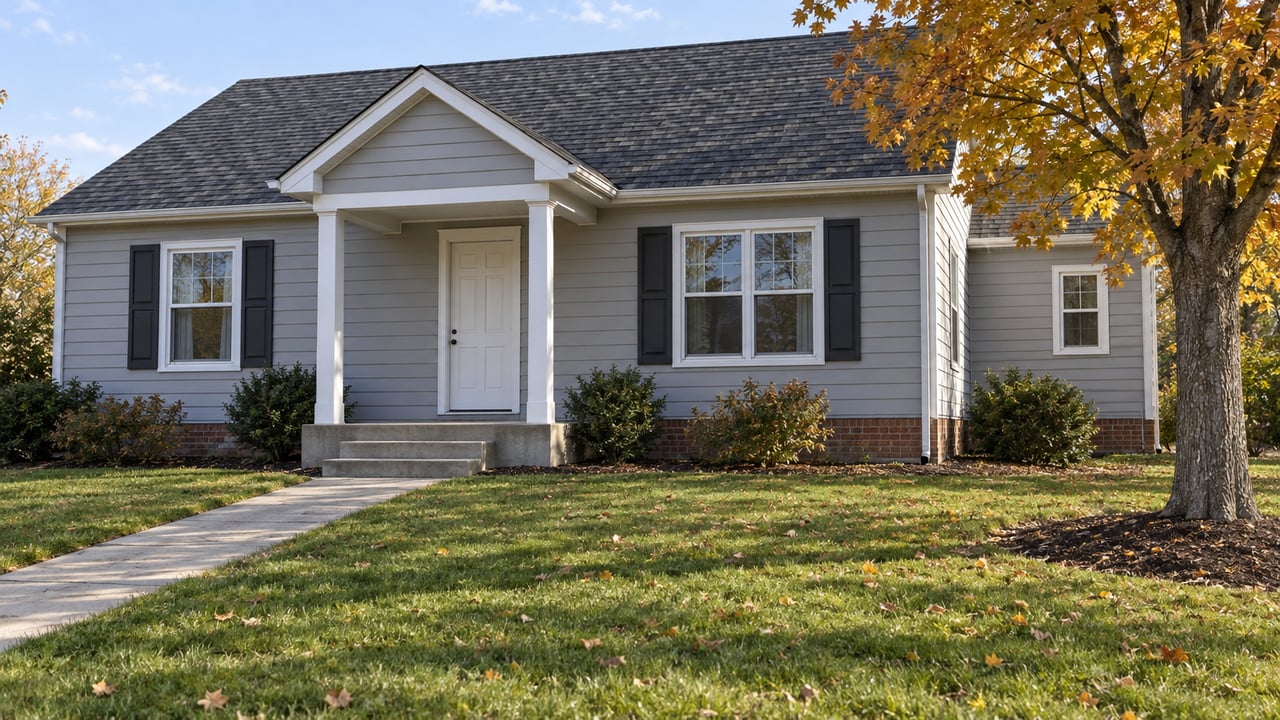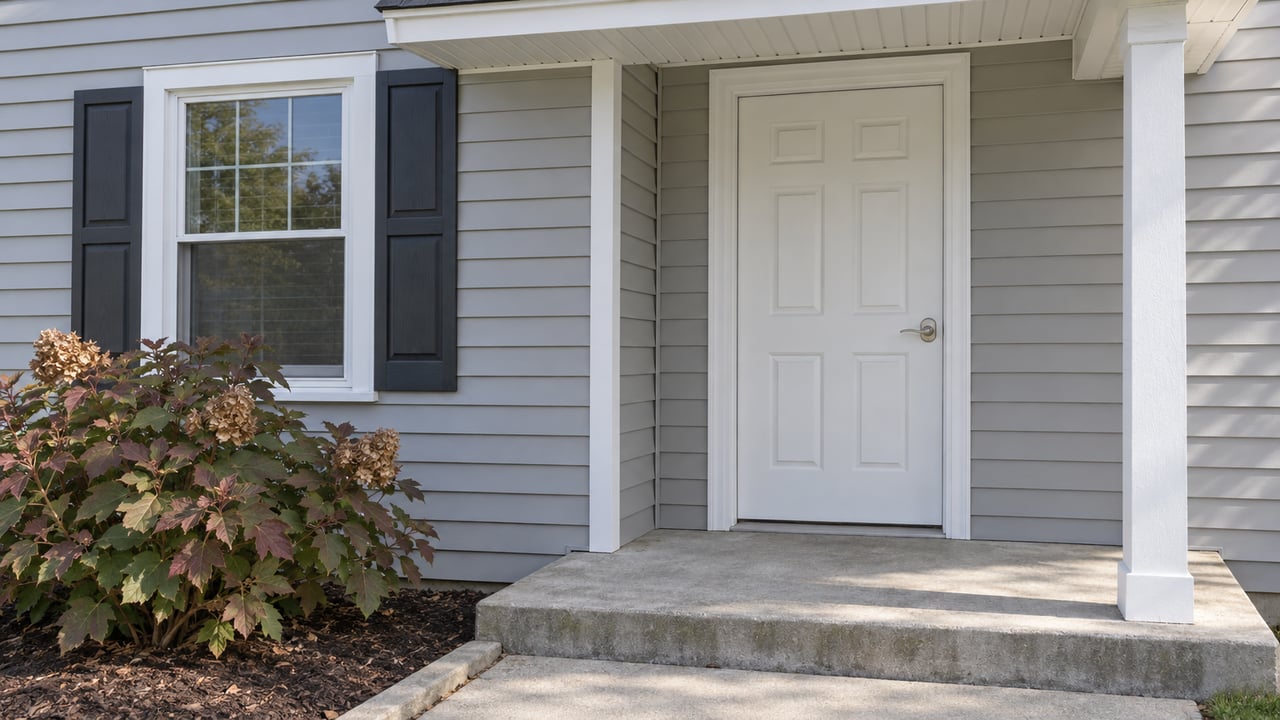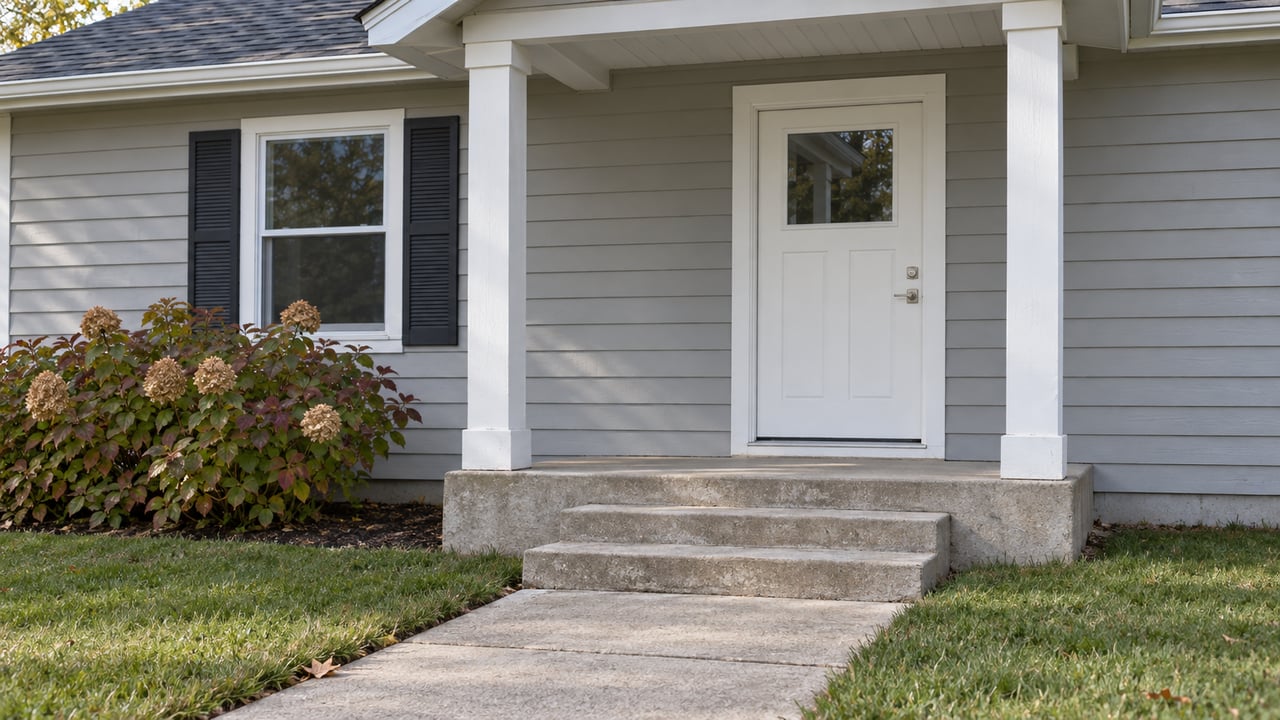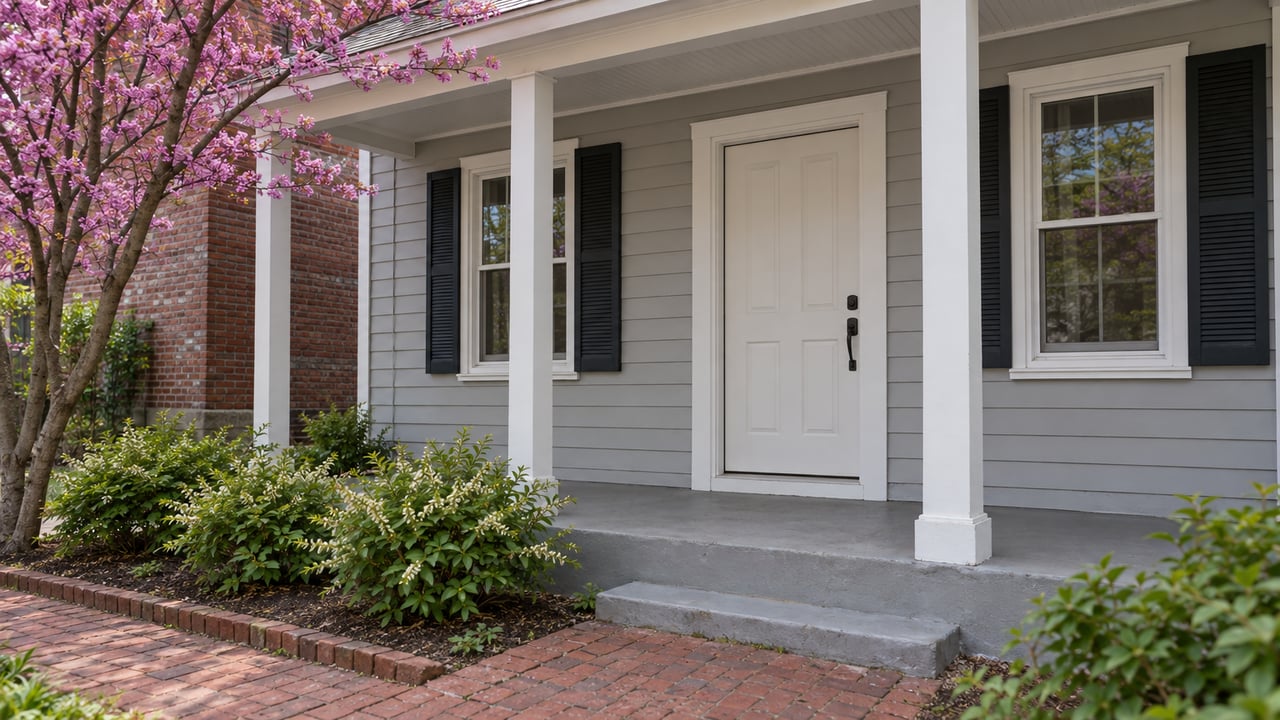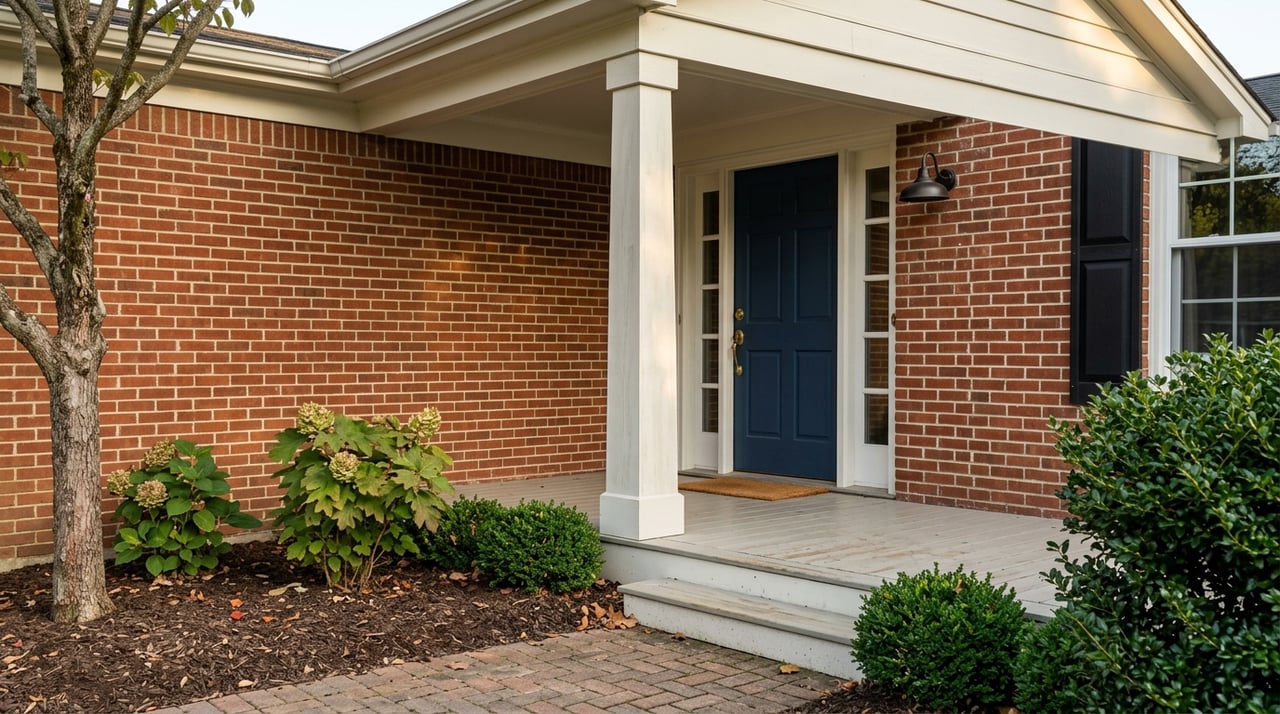
Wondering whether a historic home or a newer build is the better fit in Franklin, TN? You are not alone. Franklin offers both a deeply preserved historic core and a growing collection of newer communities, which means your decision is less about old versus new and more about how you want to live day to day. This guide will help you compare charm, maintenance, flexibility, amenities, and price so you can make a confident move. Let’s dive in.
Franklin offers two distinct experiences
Franklin stands out because it blends a protected historic setting with active newer development. The city describes downtown Franklin as a 15-block historic district with 200 years of history. Its preservation materials also identify five National Register districts and seven locally designated historic districts.
That matters because “historic Franklin” is not limited to one street or one home style. Historic areas include a wide range of 19th- and early 20th-century architecture, along with different neighborhood settings. On the other side, newer communities often center on planned amenities, newer layouts, and a more structured lifestyle environment.
What historic homes in Franklin feel like
If you are drawn to historic homes, you are usually responding to character and a strong sense of place. Franklin’s historic districts include styles such as Federal, Greek Revival, Italianate, Victorian, Folk Victorian, Queen Anne, Craftsman, Colonial Revival, Bungalow, and some Ranch-era examples. That variety gives buyers a broad mix of looks and floor plans rather than one uniform historic product.
Many historic homes also share physical details that create a recognizable feel. Common traits include one- and two-story houses, brick, stone, or wood exteriors, front porches, shallow to moderate front yards, and planted street margins. Detached accessory structures are also part of the traditional pattern in some areas.
The setting can vary from district to district. Downtown Franklin is more public-facing, with brick sidewalks, renovated historic buildings, shops, restaurants, and annual festivals and parades. Areas like Boyd Mill Avenue feel more residential, with deeper front yards, wider side yards, lawns, trees, and walkways leading from the sidewalk to the front entrance.
What newer Franklin homes are built around
Newer homes in Franklin are often designed around convenience, amenities, and a planned community feel. Instead of preservation and historic fabric, the focus is usually on lifestyle features and newer construction preferences. That can appeal to buyers who want updated layouts and a more programmed neighborhood experience.
Westhaven is one example of this approach. It is marketed around engaged lifestyles, resort-style pools, a fitness center, an art studio, golf, trails, and community events. Berry Farms is another example, presented as a mixed-use master-planned community centered on work, shopping, leisure, and pedestrian-friendly streets.
Berry Farms says its neighborhoods are designed so residents are within a five-minute walk of shops, restaurants, offices, parks, a pool and pool house, and bocce ball courts. For some buyers, that kind of built-in convenience is a major advantage. It creates a very different daily rhythm than living in one of Franklin’s historic districts.
Historic charm vs newer function
The easiest way to compare these options is to look at what each one prioritizes. Historic homes tend to offer architectural detail, established streetscapes, and a downtown-adjacent atmosphere in many parts of the city. Newer homes tend to offer amenity packages, more contemporary floor plans, and a community structure designed around everyday convenience.
Neither option is automatically better. It comes down to whether you care more about preserved architecture and neighborhood character, or whether you want newer construction and a lifestyle centered on planned amenities. In Franklin, both paths can be appealing, but they serve different goals.
Renovation rules are a major difference
One of the biggest practical differences is not style. It is process. If a home is within Franklin’s Historic Preservation Overlay, exterior alterations require a Certificate of Appropriateness.
The city lists a wide range of covered projects. These include new buildings, additions, porches, window replacement, siding and masonry work, roofing changes, fences, lighting, solar, and demolition. If you are buying a historic home and already thinking about updates, this review process should be part of your decision from the start.
Historic residential buildings are treated as contributing properties, and alterations are held to a higher standard of review. The guidelines emphasize preserving placement, roof forms and materials, original porches, and original elements such as columns, flooring, railings, and decorative trim. That can be a positive if you value preservation, but it can feel restrictive if you want broad freedom to change the exterior.
The Historic Zoning Commission reviews most Certificate of Appropriateness applications and can impose conditions of approval. The city notes that reviews are based on the design guidelines, the zoning ordinance, and the Secretary of the Interior’s Standards for Rehabilitation. In simple terms, buyers who want the least exterior-review friction often prefer homes outside the historic overlay.
Newer does not always mean no review
It is easy to assume newer construction comes with complete flexibility, but that is not always true. Even new buildings inside a historic district are not free-form. Franklin’s guidelines say new buildings should be compatible with the historic district and secondary in prominence to historic structures.
That means the cleaner comparison is not just old house versus new house. It is often protected historic fabric versus amenity-driven new construction. If you want the broadest design freedom, location matters just as much as the age of the home.
Price overlap is real in Franklin
Many buyers assume historic homes are always more expensive than newer homes, or that newer communities always sit at the top of the market. In Franklin, the current data shows that the picture is more nuanced. There is significant price overlap.
Redfin’s May 2026 median sale price for Franklin is $849,492. Zillow’s updated May 31, 2026 typical home value is $915,404, and its median list price is $991,221. While those figures use different methodologies, both place Franklin broadly in the high-$800,000s to low-$900,000s.
Historic-core pricing overlaps with that broader market. Redfin currently shows four homes matching “historic district” in Franklin at a median listing price of $900,000. Its Central Franklin vintage-home page shows a median listing price of $1.15 million.
Newer construction also spans a wide range. Redfin’s current Westhaven community page lists homes from $849,900, with 2- to 5-bedroom plans from 2,219 to 3,653 square feet. That same page also shows examples at $1.236 million and $1.785 million, while Station Hill Reserve Series is listed from $791,990.
The takeaway is simple. Age alone does not determine value in Franklin. A historic home can price near the city median or well above it, and a newer home can start in the high $700,000s or $800,000s and still climb into seven figures depending on location, lot, finishes, and amenities.
How to decide which fits you best
If you are trying to choose between historic charm and newer construction in Franklin, it helps to think about your daily priorities rather than just your visual preferences. A beautiful front porch or a new open layout may catch your eye first, but ownership experience is what will matter long after closing.
You may lean toward a historic home if you want:
- Distinctive older architecture
- A stronger sense of place
- Proximity to downtown-style streetscapes or established in-town settings
- A home with preserved design details
- A setting where the historic character is protected over time
You may lean toward a newer home if you want:
- Community amenities and planned lifestyle features
- More contemporary layouts
- A neighborhood designed around convenience and walkability to built-in services in some communities
- Fewer historic-overlay restrictions in many locations
- A more structured master-planned setting
A smart Franklin home search starts with clarity
In a market like Franklin, the best decision usually comes from matching the property type to your lifestyle, renovation comfort level, and budget range. A historic home can offer a one-of-a-kind living experience, but it often comes with more design sensitivity and approval requirements. A newer home can offer convenience and amenities, but it may not deliver the same architectural depth or established feel.
That is why your search should start with clear priorities. When you know whether you value preservation, flexibility, amenities, or long-term lifestyle most, the right fit becomes much easier to spot.
Whether you are comparing in-town historic options or newer Franklin communities, working with a team that understands how to evaluate market position, neighborhood setting, and ownership tradeoffs can save you time and help you avoid surprises. If you are ready to compare your options in Franklin, connect with The Scott Zeller Team for expert guidance tailored to your goals.
FAQs
Are all historic homes in Franklin located downtown?
- No. Franklin’s historic fabric is spread across several local and National Register districts, and some districts are more residential than downtown.
Do historic homes in Franklin have more remodeling rules?
- Yes. Within Franklin’s Historic Preservation Overlay, many exterior changes require a Certificate of Appropriateness, including items like windows, roofing, porches, siding, fences, and additions.
Are newer homes in Franklin always cheaper than historic homes?
- No. Franklin shows meaningful price overlap, with historic and newer homes both appearing near the broader market range and extending into higher price points.
Does newer construction in Franklin mean complete design freedom?
- No. New construction inside a historic district still must be compatible with the district, so location matters as much as the age of the home.
Which is better in Franklin: a historic home or a newer home?
- The better choice depends on what you value most, such as preserved character and architecture or newer layouts, amenities, and a more planned community setting.