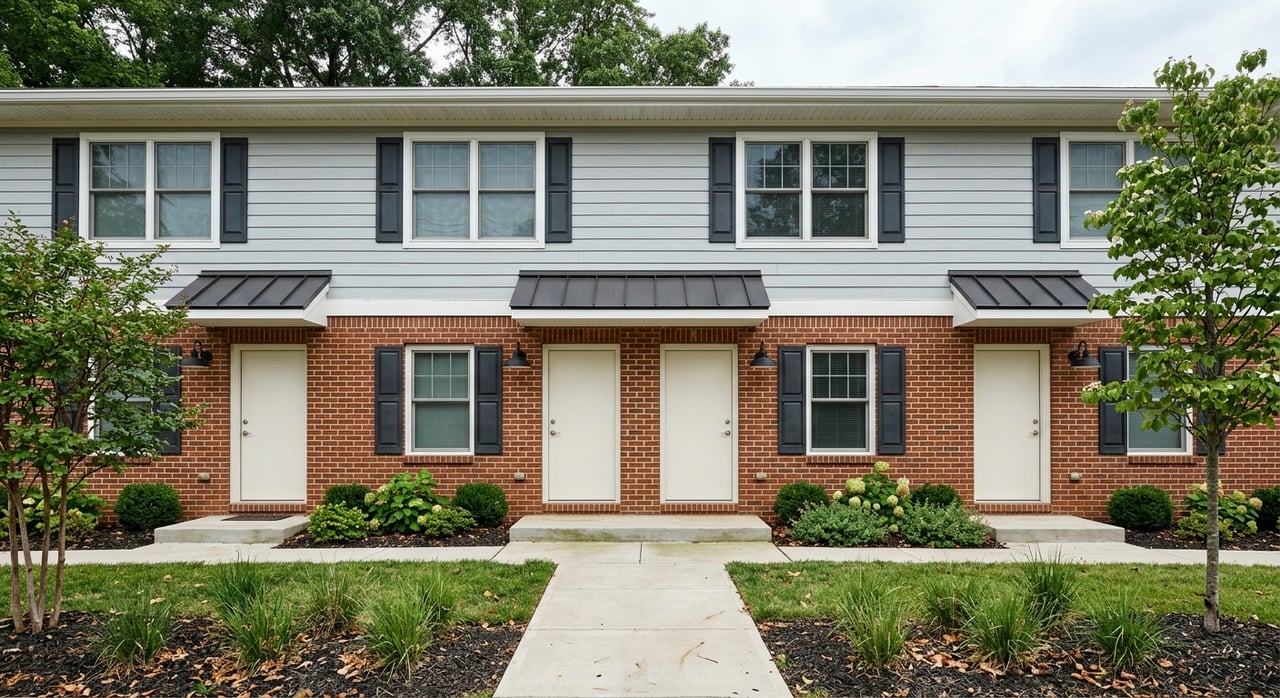
Thinking about buying your first rental in Nashville? You are not alone, and you are smart to look closely before jumping in. Nashville still has the population growth, job base, and renter demand that can support a small portfolio, but today’s numbers also make one thing clear: you need disciplined underwriting from day one. This guide walks you through what matters most, from financing and neighborhood selection to cash flow, taxes, and scaling your rentals with fewer surprises. Let’s dive in.
Why Nashville Still Works for Rentals
Nashville and Davidson County still offer several of the core ingredients many investors want. According to U.S. Census QuickFacts for Davidson County, the county population reached 745,904 in 2025, up 4.2% since 2020. The same source shows 382,559 housing units, a 52.8% owner-occupied rate, median household income of $77,853, and median gross rent of $1,582.
That matters because a growing population and a large renter base can help support long-term rental demand. Nashville’s long-range NashvilleNext plan also points to continued growth, with planning aimed at accommodating 200,000 more people and more than 300,000 more jobs by 2040. For investors, that creates a useful backdrop, especially near jobs and transit.
The labor market is also an important part of the story. The BLS Nashville area summary lists unemployment at 3.0% and total nonfarm employment at about 1.1846 million in April 2026. A strong job market does not guarantee a great rental deal, but it does support tenant demand over time.
Nashville Numbers to Watch
The big caution in Nashville right now is simple: you cannot count on rent growth to fix a weak purchase. Zillow’s Nashville market data shows a typical home value of $434,338, down 3.0% year over year, with a median sale price of $430,300 and average asking rent of $1,786, down 0.7% year over year.
That combination can still work, but it puts pressure on your buy price and expense assumptions. Based on current home values and average asking rent, the rough gross annual yield is about 4.9% before taxes, insurance, repairs, vacancy, and financing. That is not a full underwriting model, but it does show why every line item matters.
Taxes deserve special attention. Nashville’s property tax calculator notes that residential property is assessed at 25% of appraised value, with Davidson County combined tax rates of 2.814 per $100 of assessed value in the Urban Services District and 2.782 in the General Services District. Metro Nashville also reported that the 2025 reappraisal increased the countywide median property value by 45%.
For a first-time landlord, this is where many deals get too thin. If you are using average market pricing, annual property taxes alone can land around the low $3,000 range before district differences or exemptions. That is a meaningful monthly cost that needs to be in your numbers from the start.
Start With the Right Strategy
Before you shop for properties, decide what kind of first deal you want. In most cases, that means choosing between a house hack and a pure investment property.
A house hack usually means buying a 2-4 unit property, living in one unit, and renting out the others. According to HUD guidance on FHA-insured loans, many eligible 2-4 unit properties can be purchased with as little as 3.5% down in most cases. HUD also notes that acceptable funds may come from the borrower, gifts, second mortgages, or grants.
For many first-time investors, that lower cash requirement can be the easiest path into a portfolio. You get owner-occupied financing, hands-on experience, and rental income that may help offset your housing cost.
If you want a straight investment property, the cash requirement is usually higher. Freddie Mac’s current LTV requirements allow up to 85% loan-to-value for a 1-unit investment property purchase and 75% for a 2-4 unit investment property purchase. In practical terms, that often means around 15% down for a single-family rental and closer to 25% down for small multifamily, plus closing costs and reserves.
Build a Smart Buy Box
A buy box is just your filter for what counts as a good deal. Without one, it is easy to chase listings that look promising but do not actually fit your goals.
In Nashville, a practical starter buy box should include:
- A maximum purchase price that fits your cash reserves
- A property type you can finance comfortably
- A target rent based on current local comps, not best-case guesses
- A realistic repair budget
- A vacancy allowance
- A tax and insurance estimate based on the actual property
- A preferred location near jobs, major routes, or other stable demand drivers
This matters even more in a market where rents have softened slightly. As the Zillow data suggests, a deal that only works if rent jumps sharply every year is probably too fragile to be a strong first purchase.
Nashville Areas to Evaluate
Your first rental does not need to be in the trendiest part of town. In fact, for a small portfolio, the better move is often a neighborhood where the numbers are more manageable and the property has a clear path to steady occupancy.
The research points to several Nashville submarkets that may deserve a closer look from a price and demand perspective, but your final decision should always come down to property-level due diligence.
Focus on Access and Occupancy
NashvilleNext emphasizes housing near transit and jobs. That is useful guidance for investors too. A property with practical access to employment areas and daily needs can be easier to lease and easier to hold through market changes.
Watch Entry Price Carefully
Lower entry pricing can reduce your upfront cash needs and make your first deal easier to sustain. That does not make a property automatic buy, but it can improve your margin for repairs, vacancy, or tax changes.
Review Insurance and Site Risk
Some submarkets need extra attention for flood exposure, drainage, or insurance cost. That is especially important in areas where site-level risk may have a major impact on monthly expenses. Before you make an offer, review flood maps, insurance quotes, and property condition carefully.
Underwrite for Real Cash Flow
The fastest way to get in trouble with a small portfolio is to focus only on rent and mortgage payment. True cash flow means looking at the full monthly picture.
Your analysis should include:
- Principal and interest
- Property taxes
- Insurance
- Vacancy allowance
- Maintenance
- Capital expenditure reserves
- Leasing costs
- Property management, if applicable
In Nashville, where average asking rents are around $1,800 citywide, small mistakes can change the outcome quickly. A property may look fine on paper until you add taxes, a repair reserve, and a few weeks of vacancy.
That is why conservative rent comps are so important. Use current numbers, not future hopes. If the deal still works after realistic expenses, you may have something worth pursuing.
Keep Your Records Organized Early
If your goal is to build beyond one rental, documentation matters more than many buyers expect. Once you apply for another loan, lenders will often look closely at how you document rental income.
Fannie Mae’s rental-income guidance notes that rental income from a non-subject property must be supported with tax returns or a lease, and it flags miscalculated rental income as a recurring problem. Fannie Mae also says that when a departure residence is being converted to a rental, positive rental income generally requires a one-year rental-income history or property-management experience.
In plain language, that means you should keep clean records from the very beginning. Save leases, rent receipts, bank records, and Schedule E documents. Good organization can make it easier to qualify for your next purchase and avoid delays.
Know When Management Helps
Many investors start by self-managing, and that can make sense when you have one property and enough time. But scaling a portfolio usually creates a new challenge: your time gets pulled in too many directions.
Leasing, rent collection, maintenance coordination, renewals, accounting, and vendor communication all take energy. At a certain point, professional management can help you protect your time and create a more repeatable system.
That is especially useful when the same team understands both acquisitions and long-term operations. The handoff from purchase to make-ready to lease-up tends to be smoother when inspections, repair coordination, tenant placement, and ongoing oversight all fit into one process.
For investors who want a more hands-off experience, that kind of support can make it easier to grow without feeling like every new unit creates a second job.
A Practical First-Step Plan
If you want to build a small rental portfolio in Nashville, keep your first move simple and disciplined.
- Decide whether you want a house hack or a pure investment property.
- Set a clear buy box based on cash, financing, and target returns.
- Underwrite using conservative rents and real expenses.
- Review taxes, insurance, flood exposure, and repair needs before offering.
- Keep strong records from the first lease forward.
- Add management support when operations start taking too much of your time.
You do not need a huge portfolio to start acting like a professional investor. You just need a process that protects your downside while giving you room to grow.
If you are looking at Nashville or the broader Middle Tennessee market and want help connecting acquisition strategy with leasing and long-term management, The Scott Zeller Team offers an integrated approach built for investors who want clear guidance and dependable execution.
FAQs
Is Nashville still a good place to start a rental portfolio?
- Yes, Nashville still shows population growth, job growth, and a large rental base, but your deal needs conservative underwriting because rent growth has softened.
What is the easiest way to buy your first Nashville rental property?
- For many buyers, a house hack or small owner-occupied multifamily purchase is the lowest-cash-entry option because eligible FHA financing may allow a lower down payment.
What expenses matter most for Nashville rental properties?
- Property taxes, insurance, vacancy, repairs, and realistic rent assumptions are some of the most important numbers to watch in Davidson County.
What records should you keep for a small rental portfolio?
- Keep leases, rent receipts, bank records, and tax documents such as Schedule E so you can document rental income clearly when you scale.
When should you hire property management for Nashville rentals?
- You should consider management when leasing, maintenance, rent collection, and accounting start taking too much of your time or slowing your next purchase.